
If you're facing crowding that's gotten worse since your last brace-free years, Dentist Open Now lines up a Drexel Hill, PA provider who handles this exact procedure regularly — not as a side offering.
Call the number below and a scheduling coordinator finds you the next available specialist.
+1-866-227-2801 Call Now
Clear aligners work by applying calibrated, incremental pressure through a series of custom trays, each one shifting your teeth slightly closer to their final position. A digital scan replaces the old goopy impression trays, mapping your bite in minutes and generating a full treatment simulation before you commit.
Aligners handle a wide range of cases now, though a provider will tell you upfront if your case is better suited to fixed braces instead. Unlike braces, aligners are removable, which means results depend on actually wearing them as prescribed, not just owning the trays.
For teeth that need more than simple tipping, small bonded attachments act as anchor points the aligner can push against. Your provider maps out exactly which teeth need attachments during the digital treatment planning stage, before the first tray is ordered.
Intraoral scanners replace old-style impression trays for a faster, more accurate starting scan.
You see a digital preview of your projected final smile before agreeing to start treatment.
Mid-course corrections are common and typically included rather than billed as a separate service.
Take them out to eat, brush, and for special occasions, then back in for the full wear schedule.
Our network specialists cover the full range of this procedure, from the routine case to the complicated one.
Your provider walks you through the simulated tooth movement stage by stage during the consult.
Crowded front teeth are among the most common cases aligners successfully correct.
Front-tooth gaps typically close over a series of tray changes spaced roughly two weeks apart.
Mild bite discrepancies can often be corrected with aligners paired with attachments for extra grip.

Minimal enamel reshaping between teeth sometimes creates space needed for proper alignment.
Retainers are fitted immediately after your final tray to prevent teeth from drifting back.
You describe what's going on; no automated menu, no long hold.
We match you with a nearby specialist experienced in this exact procedure and check real-time openings.
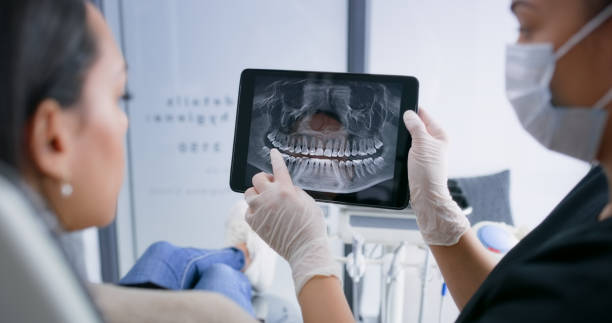
The specialist examines your case, often with same-visit X-rays, and gives you a cost estimate before starting anything.
Treatment proceeds on the agreed plan, with clear aftercare instructions and a follow-up if the case calls for one.
"Explained every step before doing anything. First time a dental visit didn't feel rushed."
"Didn't have to wait weeks like my old dentist. Straight to a specialist who knew exactly what to do."
"Price they quoted on the phone matched the invoice exactly. No surprise charges."
Mild cases can finish in as little as six months; more involved crowding can take a year or more.
There's usually some pressure with each new tray, but it tends to be less intense than traditional wire adjustments.
Consistent wear — roughly twenty to twenty-two hours — is what keeps treatment on schedule.
Crowns and fillings don't automatically disqualify you; your provider factors them into the simulation.
Contact the office right away — a replacement or the next tray in the series can often be issued quickly.
Pricing depends on how many trays your case requires, and that's laid out before you commit to treatment.
Our coverage spans Drexel Hill and its surrounding area, matching you with the closest available specialist.
Every provider carries an active PA dental license, verified before referral.
Call now and a real coordinator will match you with a specialist and a confirmed time.
Call +1-866-227-2801 Now